
3 Easy Ways to Keep Your Car Looking Good
March 24, 2026
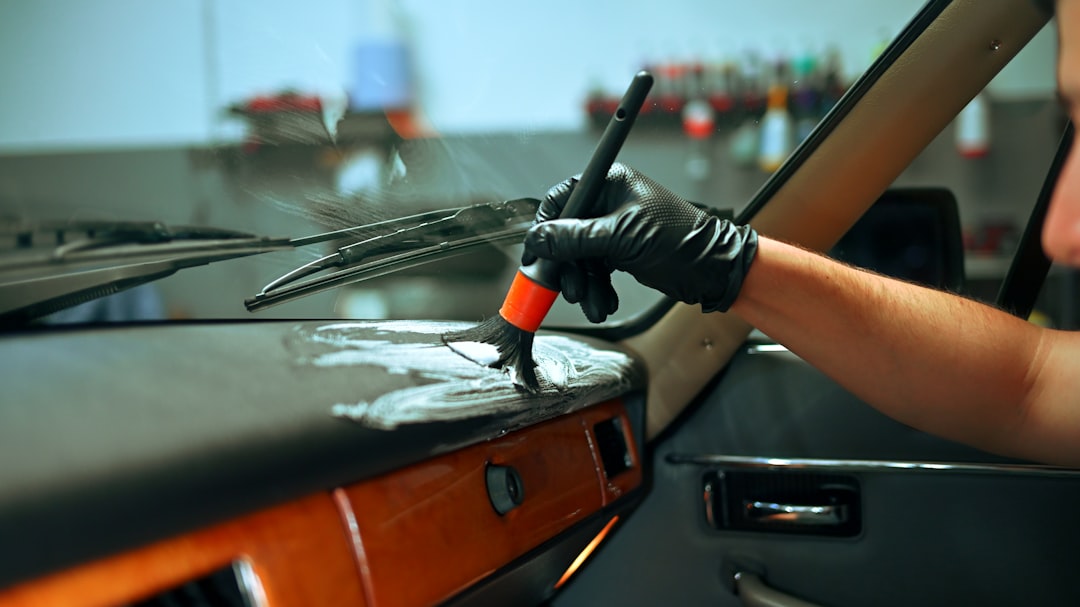
Customers often ask what they can do between details to maintain their car's appearance. The below three things are what our team often does four vehicles. Like most things in life, the small habits add up over time.
After-Rain Care: Preventing Surface Buildup
After a rainy drive, rinse your vehicle with clean water as soon as possible, starting from the top and working your way down.
Focus on horizontal surfaces like the hood, roof, and trunk where water tends to sit.
Follow this by drying the vehicle with a clean microfiber towel or drying towel, using light, straight motions rather than circular wiping to reduce the chance of adding fine marks.
This removes residue before it settles and helps prevent the water spotting that is common in this climate.
Interior Care: Managing Moisture Before It Sets In
Seattle’s biggest interior issue is not dirt. It is moisture.
Rain, wet shoes, and humidity introduce moisture into carpets and upholstery, often without it being obvious at first.
After a rainy-day drive:
Remove your floor mats and shake off excess water, then leave them out to dry completely before putting them back. If they are damp, let them air dry indoors or in a covered area rather than trapping moisture inside the vehicle.
If conditions allow, crack your windows slightly while parked in a secure location to let humidity escape.
You can also run the heat or defroster briefly during drives to help pull moisture out of the cabin air.
As moisture works deeper into fabrics and padding, surface cleaning becomes less effective, requiring more thorough extraction and treatment to fully reset the interior.
Between Washes: Reducing Spotting and Residue
Each rain cycle leaves behind a thin layer of contaminants as water evaporates that accumulate and dull your car's paint gradually.
When a full rinse isn't possible even taking a clean microfiber towel to your vehicle, and after rain exposure will help your car:
Lightly dry high-contact areas like the hood, roof, trunk, and upper door panels. Focus on areas where water tends to pool or streak.
Use gentle pressure and a clean section of the towel to avoid dragging debris across the surface.
This helps reduce spotting and prevents residue from settling into the paint.
Over time, these contaminants begin to bond more firmly. At that point, they are no longer removable with basic washing alone and require more precise methods to fully clear the surface.