
Does Rain Damage Your Car’s Paint?
March 22, 2026
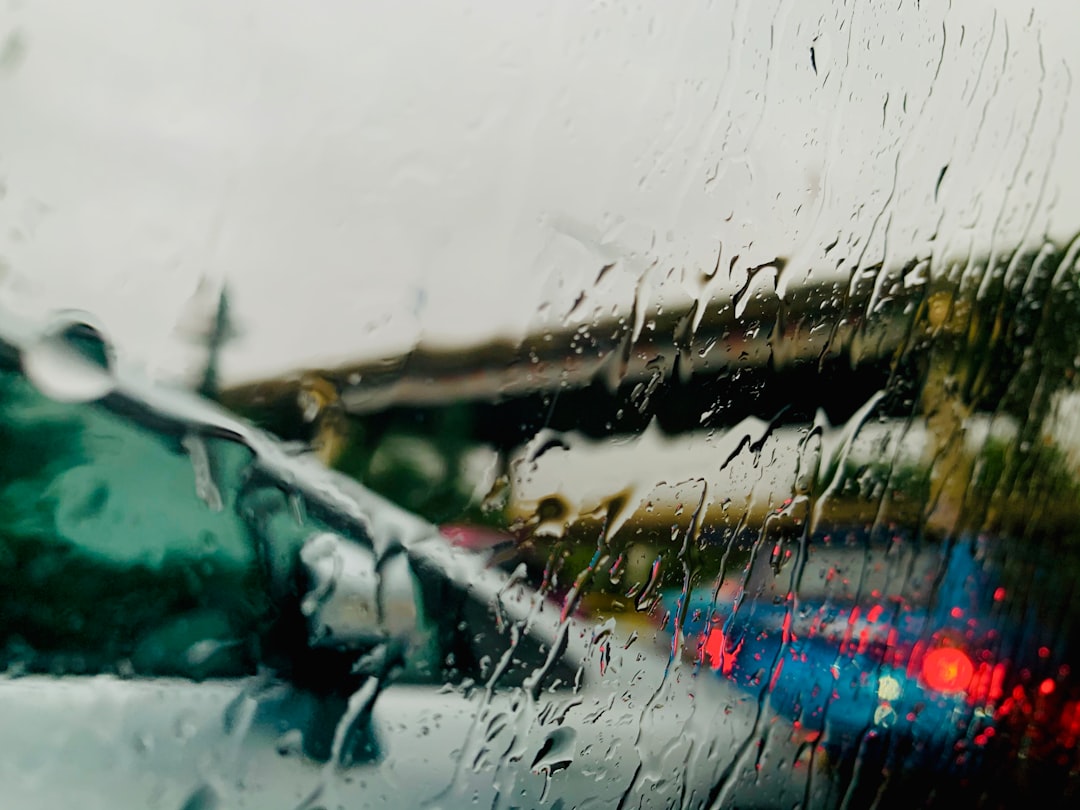
Seattle is known for its rain—but constant exposure to it can quietly wear down your car’s paint over time.
While rain might seem harmless, it often carries airborne contaminants that can affect your vehicle’s finish. If your car is regularly parked outside, understanding this process is key to maintaining its appearance and long-term value.
Is Rain Bad for Your Car?
Rainwater isn’t always clean. As it falls, it collects particles from the air such as dust, pollen, and pollutants from traffic and industrial activity.
In many urban environments—including Seattle—rain can also become slightly acidic due to these airborne pollutants. This is commonly referred to as acid rain. While not immediately destructive, this acidity increases the likelihood of gradual paint degradation when moisture is left sitting on a vehicle’s surface.
Seattle's Climate and Your Car
Seattle’s climate creates a perfect environment for repeated exposure:
Frequent rainfall means your car is regularly wet
Moisture often lingers due to overcast conditions
Vehicles are commonly parked outdoors
Airborne pollutants from traffic and urban activity mix with rainwater
This combination leads to a consistent cycle:
Contaminated rain lands on your vehicle
Water evaporates slowly
Residue remains on the paint
Over time, this repeated process can dull your vehicle’s finish and make contaminants harder to remove.
So What?
Letting rainwater dry on your vehicle can lead to several issues:
Water Spotting
As water evaporates, it leaves behind minerals and contaminants that create visible spots.
Surface Contamination
Pollutants can bond to your paint, making the surface feel rough and look less clean.
Loss of Shine
Repeated exposure without proper cleaning can reduce gloss and clarity.
Gradual Wear
Over time, contaminants and mild acidity can begin to affect the protective clear coat.
These effects are usually subtle at first, but in a rainy climate they accumulate quickly.
Protecting Your Car
You don’t need perfect weather or a garage to protect your vehicle. Consistent maintenance goes a long way.
Wash Your Car Regularly
Frequent washing removes contaminants before they build up. In a climate like Seattle’s, this is one of the most important habits.
Avoid Letting Water Air-Dry
Allowing rain to dry naturally increases the chance of spotting and residue. Drying your car or driving it shortly after rainfall can help reduce this.
Apply Paint Protection
Wax or sealant creates a barrier between your paint and environmental contaminants. This makes it more difficult for debris to stick and easier to clean your car.
Use a Car Cover When Parked Long-Term
If your vehicle sits outside for extended periods, a cover can reduce direct exposure to rain and airborne particles.
Be Consistent
The biggest factor isn’t a single rainstorm—it’s repeated exposure without maintenance.
Wash or Detail?
Over time, standard washing may not fully remove:
Embedded contaminants
Stubborn water spots
Roughness in the paint surface
At that point, deeper cleaning methods such as decontamination or polishing may be needed to restore the finish.
This level of care is often associated with professional detailing, which focuses on removing buildup that routine washing can’t address.
Why Ongoing Care Matters in Seattle
Seattle’s weather doesn’t give your car much time to stay clean and dry. That means:
Contaminants have more opportunities to settle
Moisture remains on surfaces longer
Maintenance needs to be more proactive
Waiting until visible damage appears usually makes restoration more difficult and more expensive.
The Bottom Line
Rain won’t ruin your car overnight, but in Seattle’s climate, repeated exposure can gradually affect your paint.
By washing regularly, protecting the surface, and addressing buildup early, you can maintain your vehicle’s appearance and avoid long-term issues.
Related: Car Wash vs. Car Detail