
Is Your Detailer Measuring Your Paint's Thickness
March 26, 2026
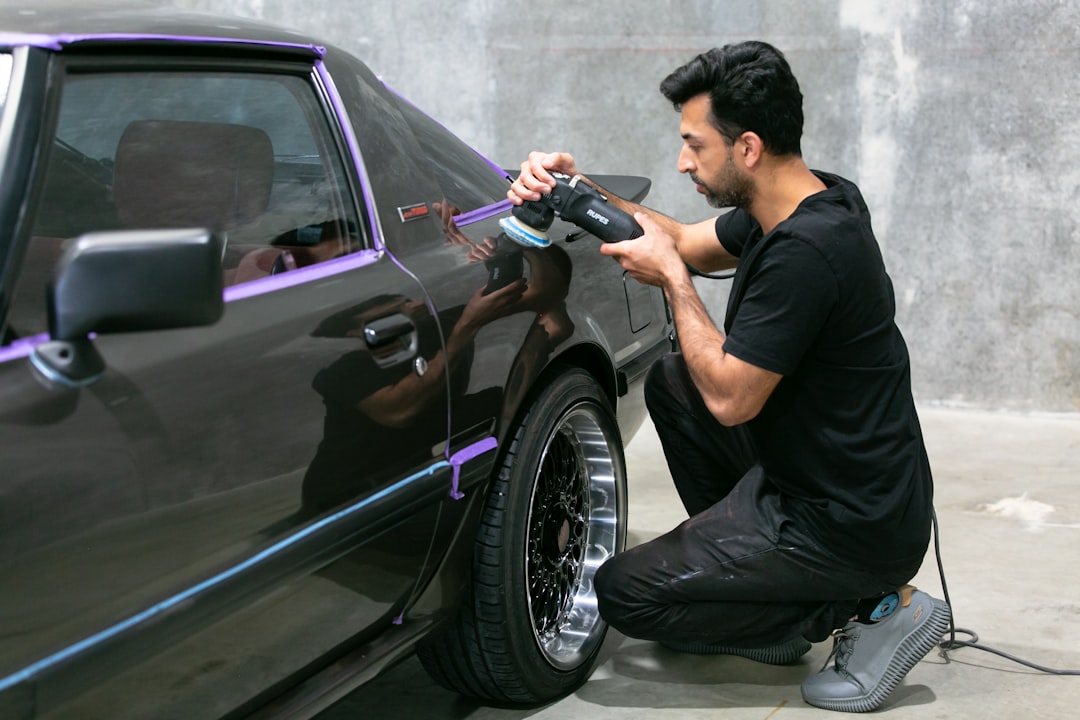
Most vehicles don’t lose their finish all at once. It happens gradually, often from repeated polishing without understanding how much material is being removed.
Why Measuring Matters
Your car’s paint system includes a clear coat that can only be corrected a limited number of times. Once that layer is reduced too far, it cannot be restored without repainting.
A paint thickness gauge measures how much material exists between the surface and the metal panel underneath, giving a clear picture of how much can be safely worked with before any correction begins.
Paint correction removes a small amount of clear coat to level imperfections like swirl marks and light scratches. Without measurement, the process becomes guesswork, especially on vehicles that may have already been polished multiple times in the past. Over time, this leads to thinning of the clear coat, uneven results, and reduced durability.
Precision Led Process
Measuring first allows the process to be adjusted panel by panel, ensuring correction is controlled and the integrity of the paint is preserved.
In Seattle, paint is consistently exposed to the trio of degradation: moisture, contaminants, and environmental buildup, but different parts of the vehicle's body are exposed to them to varying degrees. Detailers must first identify the paint thickness to ensure they avoid overcorrecting during restoration process. Overcorrection can accelerate wear instead of preserving the finish.
Not every vehicle requires the same level of correction. Understanding the condition of the paint first allows the process to be tailored accordingly.
Related: The Payoff of Preservation